VFX: A Deep Dive into Visual Effects Magic
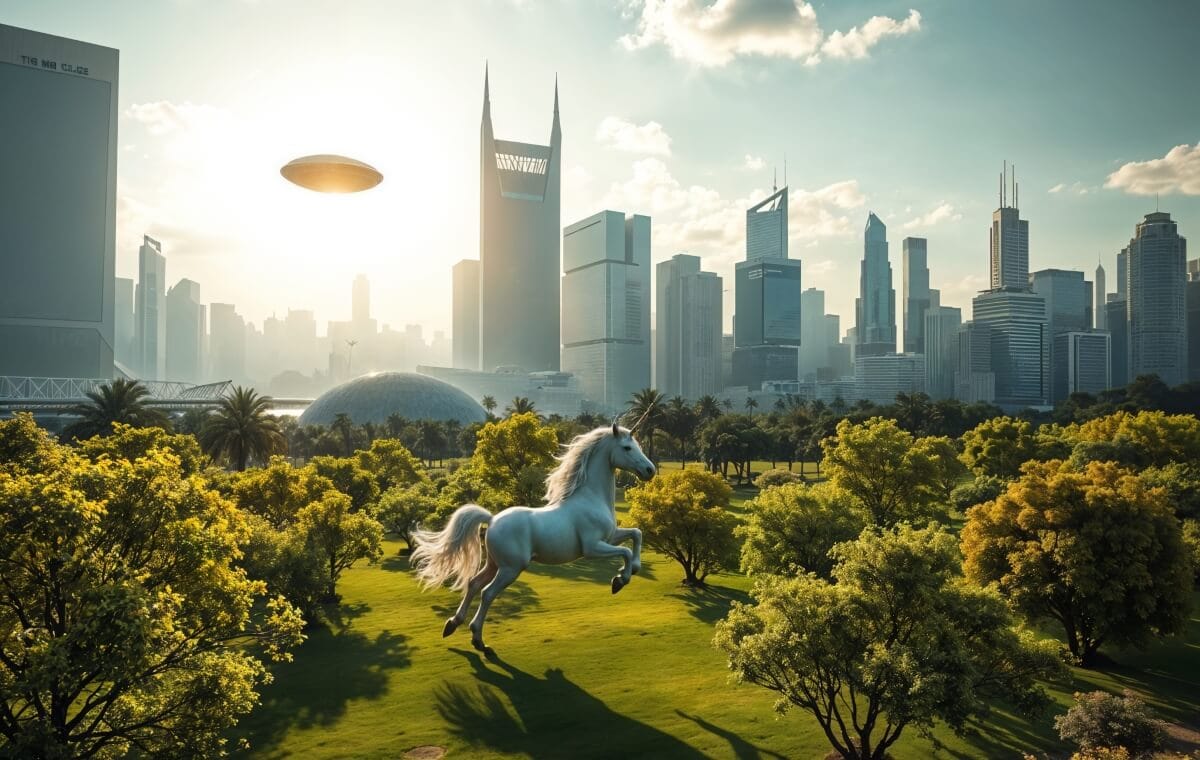
When you watch a movie and find yourself in awe of a massive battle between superheroes, a dragon scorching the sky, or a futuristic cityscape filled with flying cars, you’re witnessing the magic of Visual Effects, or VFX. But did you ever stop to think about the different types of VFX that make these scenes possible? Each type of VFX serves a unique purpose, combining technology, artistry, and imagination to bring the impossible to life. In this article, we’ll delve into the various types of VFX that are used to create those jaw-dropping moments in cinema and television.
Introduction to Visual Effects (VFX)
What is VFX?
Visual effects, often abbreviated as VFX, refer to the creation or manipulation of imagery that cannot be achieved during live-action filming. This could include everything from adding digital characters to creating entire worlds that exist only in the imagination of filmmakers. The magic of VFX is in blending the unreal with the real, transporting audiences to extraordinary places. Whether it’s a fantasy epic like The Lord of the Rings or a sci-fi marvel like Star Wars, VFX is the invisible hand shaping modern cinema’s visual storytelling.
The Evolution of VFX in Cinema
The journey of VFX in cinema has been nothing short of revolutionary. It all started with practical effects like stop-motion animation and hand-drawn matte paintings in the early 20th century. Think of the original King Kong in 1933, where stop-motion brought a giant gorilla to life, captivating audiences worldwide. As technology advanced, so did VFX. In the 1970s and 1980s, computer-generated imagery (CGI) rose with films like Star Wars and Tron, expanding on-screen possibilities. Today, VFX is integral to filmmaking, creating photorealistic worlds and characters that blur the line between fantasy and reality. From Jurassic Park’s groundbreaking CGI to Avatar’s immersive digital landscapes, VFX has evolved, transforming storytelling on the big screen.
The Core Types of VFX
CGI (Computer-Generated Imagery)
When most people think of VFX, CGI is often the first thing that comes to mind. But what exactly is CGI, and how has it revolutionized filmmaking?
The Role of CGI in Modern Films
Computer-Generated Imagery, or CGI, is the powerhouse behind many of the visual effects we see in today’s movies. It allows filmmakers to create everything from realistic characters and creatures to entirely new worlds that would be impossible to film in real life. CGI isn’t just about creating flashy effects; it’s about storytelling. It lets directors bring wild visions to life, like a dinosaur chasing a car in Jurassic Park or Inception’s cityscapes. CGI’s impact on modern films is immense, offering creative freedom and new possibilities in storytelling.
How CGI is Created
Creating CGI is a complex and highly technical process that involves multiple stages, from concept art to final rendering. It all begins with 3D modeling, where artists create a digital skeleton of the object or character. Texturing follows, where artists add colors, patterns, and details to make the model look realistic. They then add lighting to simulate various environments and finally animate and render the model into a complete scene. The rendering process can be incredibly time-consuming, with some scenes taking days or even weeks to fully render. However, the result is a seamless blend of reality and imagination, where digital creations come to life in ways that are indistinguishable from the real world.
Matte Painting
Matte painting, a crucial VFX type used for decades, creates breathtaking backgrounds and environments, even though CGI often steals the spotlight.
Traditional vs. Digital Matte Painting
Matte painting is the art of creating static backgrounds that are too expensive or impossible to film in real life. In early cinema, matte paintings were created on large sheets of glass and filmed to blend with live-action footage. This technique transported audiences to distant lands, such as Tatooine in Star Wars and the Misty Mountains in The Lord of the Rings. Today, digital matte painting has taken over, enabling more dynamic and detailed environments. Created with software like Adobe Photoshop, digital matte paintings can include layers such as moving clouds, changing lighting, and subtle animations, making scenes feel more alive.
Iconic Examples of Matte Painting in Movies
Some of the most iconic scenes in cinema have been brought to life through matte painting. The towering spires of Minas Tirith in The Lord of the Rings, the breathtaking views of Coruscant in Star Wars: Episode III – Revenge of the Sith, and the eerie landscapes of Blade Runner showcase how matte painting creates visually stunning environments. Even with CGI, matte painting remains crucial in the VFX toolkit, providing artistic control that 3D modeling alone may not achieve.
Compositing
Compositing is the unsung hero of VFX, the process that brings all the different elements together into a single, cohesive image.
The Compositing Process Explained
Compositing involves layering multiple visual elements to create a final image that feels unified and believable. This could include live-action footage, CGI, matte paintings, and practical effects, all blended together to create a seamless scene. Successful compositing relies on matching lighting, color, and perspective so that elements appear as if filmed together. It is often done using software like Adobe After Effects or Nuke. Artists fine-tune each element to achieve a perfect blend. The result is a final image that looks like a single shot, even if it consists of many separate elements.
Blending Real and Imaginary Worlds
One of the most exciting aspects of compositing is its ability to blend real and imaginary worlds. A digital environment integrates an actor filmed against a green screen, allowing them to interact with CGI creatures and explore fantastical landscapes. This blending of real and imaginary elements is what makes films like Harry Potter or The Avengers so immersive. The world immerses the audience in endless possibilities, blurring the line between reality and fantasy in a delightfully captivating way.
Specialized Types of VFX
Motion Capture
Motion capture, often abbreviated as mocap, is a specialized type of VFX that captures the movements of real actors and applies them to digital characters.
Bringing Characters to Life with Motion Capture
Motion capture technology involves placing sensors on an actor’s body, which track their movements in real-time. These movements are then translated onto a digital character, allowing for incredibly realistic animations. This technique has brought iconic characters to life, like Gollum in The Lord of the Rings and Caesar in Planet of the Apes. It also created the Na’vi in Avatar. Motion capture captures the subtleties of human expression and movement. This results in digital characters that feel lifelike and emotionally resonant.
Famous Films Using Motion Capture
Some of the most groundbreaking films in recent history have relied heavily on motion capture. Avatar, directed by James Cameron, pioneered motion capture (mocap) to create the immersive world of Pandora and its inhabitants. Andy Serkis’s portrayal of Gollum in The Lord of the Rings is iconic, capturing his physical performance and turning it into a digital creature. Recently, The Jungle Book and The Lion King have used motion capture to bring animal worlds to life, seamlessly blending them with live-action environments.
Miniature Effects
In a world increasingly dominated by CGI, miniature effects still hold a special place in the hearts of filmmakers and audiences alike.
The Art of Creating Scale Models
Miniature effects involve the creation of small-scale models that are then filmed to appear as full-sized objects. These models can range from buildings and vehicles to entire landscapes. The key to making miniatures look believable on screen is meticulous attention to detail. Every aspect of the model, from material texture to light interaction, must be carefully crafted to match reality. Filmmakers often use forced perspective and camera tricks to make these models appear larger, creating an illusion of scale.
Why Miniatures Still Matter in VFX
Despite the dominance of digital effects, creators still use miniatures for their unique qualities. Miniatures offer realistic physical interactions with light and shadows, which can be challenging to replicate with CGI. Films like The Lord of the Rings trilogy used extensive miniatures, or “bigatures,” to bring the towering structures of Middle-earth to life. Christopher Nolan, known for his preference for practical effects, also used miniatures extensively in films like Inception and Interstellar. The tangible, handcrafted quality of miniatures adds a layer of authenticity to the visual storytelling that resonates with audiences on a deeper level.
The Future of VFX
The Rise of Real-Time VFX
With advancements in technology, the future of VFX is moving towards real-time rendering, where effects are generated instantly during filming. This shift is driven by powerful game engines like Unreal Engine, which let filmmakers see VFX in real-time during shoots. This speeds up production and opens new creative possibilities, allowing directors to make real-time adjustments and experiment with visual styles on the fly. Real-time VFX is set to revolutionize the industry, making high-quality effects faster and more accessible than ever.
Virtual Production and the Evolution of Filmmaking
Virtual production is another exciting development in the world of VFX. It involves the use of LED screens to create immersive environments on set, which actors can interact with in real-time. This technique was famously used in The Mandalorian, where entire worlds were projected onto massive LED screens, enabling dynamic, in-camera effects that blend seamlessly with live-action. Virtual production enhances VFX realism and offers greater creative flexibility, allowing filmmakers to create complex environments without extensive location shoots or post-production.
Conclusion: The Ever-Evolving World of VFX
The world of VFX is constantly evolving, where technology and creativity push the boundaries of visual storytelling. From matte painting and miniatures to advanced CGI, motion capture, and real-time VFX, each effect brings the impossible to life on screen. As technology advances, VFX possibilities are limitless, promising even more breathtaking and immersive experiences. Whether creating epic battles, fantastical creatures, or entire digital worlds, VFX drives the most memorable moments in cinema.