Right Location: Finding the Perfect Film Setting
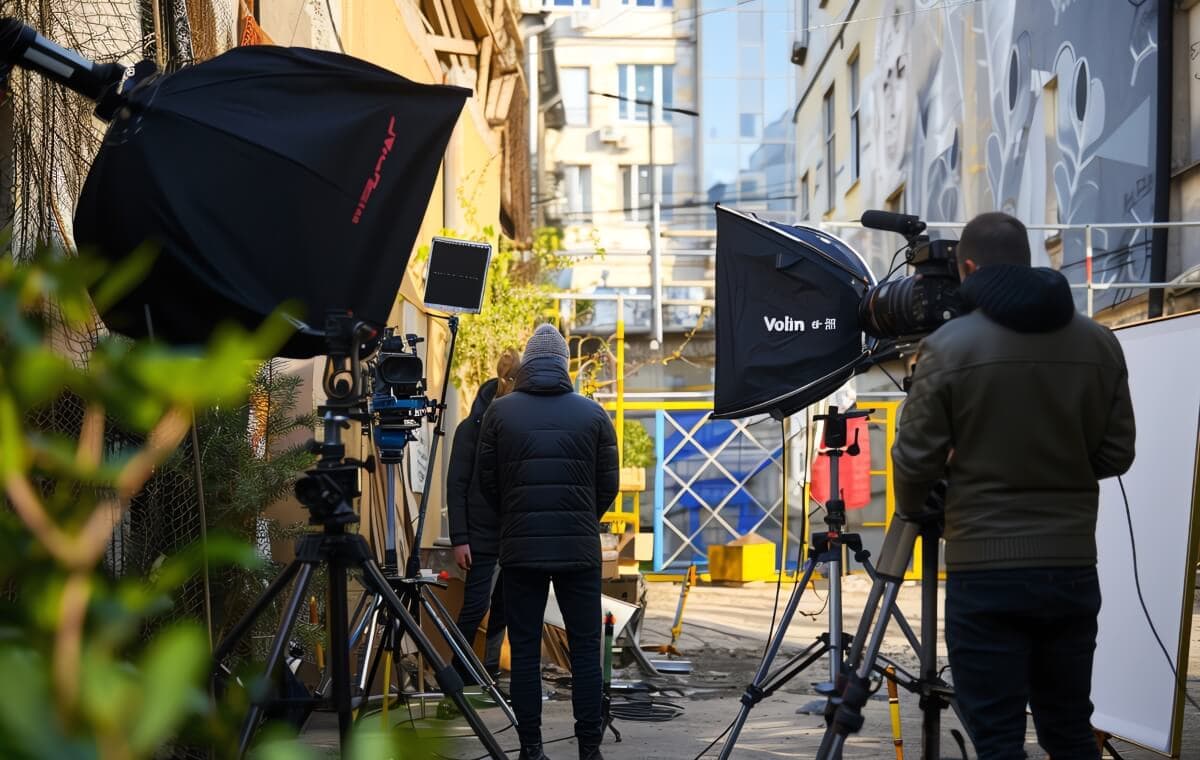
Finding the right location is a crucial step in the filmmaking process. The right location can add authenticity and depth to your story, making your film more engaging for the audience. This guide will help new filmmakers navigate the process of selecting the perfect settings for their projects, considering aesthetics, accessibility, and cost.
The Importance of Choosing the Right Location
Choosing the right location can make or break your film. The setting of each scene contributes significantly to the overall atmosphere, mood, and believability of your story. From picturesque landscapes to urban environments, the right backdrop is essential in bringing your script to life.
Creating Atmosphere
The atmosphere is a key element in filmmaking. It sets the tone and mood, drawing viewers into the narrative. By selecting a location that complements the story, filmmakers can enhance the emotional impact of their scenes.
A well-chosen location does more than provide a pretty background; it becomes an integral part of the storytelling. Imagine a thriller set in a dense, foggy forest versus one in a sunlit park. The former instantly conveys tension and mystery, while the latter might seem out of place. Your location needs to align with the emotional tone you aim to set. If you’re shooting a horror film, abandoned buildings or isolated areas can evoke fear and suspense. For a romantic drama, a scenic beach or a charming café might be more appropriate.
Enhancing Storytelling
Locations are not just backdrops; they are integral to storytelling. A well-chosen location can provide context, symbolize themes, and even influence character behavior. For instance, a bustling cityscape can evoke a sense of chaos, while a serene countryside can symbolize peace and introspection.
In storytelling, every detail counts, and locations can subtly communicate much about your characters and plot. A character living in a small, cluttered apartment may be perceived as struggling or trapped, while one in a spacious, modern loft might appear successful and free. Locations can also reflect character development. For example, starting a film in a dark, confined space and gradually moving to open, bright areas can symbolize a character’s journey from despair to hope. Use locations to visually reinforce your narrative, creating a deeper connection with your audience.
Factors to Consider When Selecting Right Location
Aesthetics
The visual appeal of a location is paramount. It should align with the director’s vision and the narrative’s requirements. Consider the following aspects:
Scenic Beauty
A visually stunning location can captivate the audience and make your film memorable. Natural landscapes, historical sites, and unique architecture often make for compelling settings. When scouting for scenic beauty, think about how the location will look on camera. Natural elements like mountains, rivers, and forests provide breathtaking backdrops that can enhance the visual appeal of your film. Historical sites with unique architecture can add a sense of authenticity and depth. Look for places that offer a variety of visual elements to keep the audience engaged. Additionally, consider the seasons and how they might affect the look of the location. A snowy landscape can create a different mood compared to the same place in summer.
Visual Consistency
Ensure that the location matches the time period, culture, and environment of your story. Consistency helps maintain the suspension of disbelief, keeping viewers engaged. Visual consistency is crucial for maintaining the audience’s immersion in your story. If your film is set in the 1920s, modern buildings or contemporary street signs can break the illusion. Pay attention to details like architecture, vehicles, and even vegetation to ensure they fit the setting. For historical or fantasy films, this might involve finding locations with period-appropriate features or using set dressing to achieve the desired look. Consistency also extends to cultural elements. Ensure that the location accurately reflects the cultural context of your story, from the design of interiors to the appearance of extras.
Lighting and Weather Conditions
Natural lighting and weather can significantly impact the look of your film. Scout right location at different times of the day and in various weather conditions to understand how they will appear on camera. Lighting plays a crucial role in setting the mood and tone of your scenes. Natural light can be your best friend or worst enemy, depending on how you use it. Visit potential locations at different times of the day to see how the light changes. Early morning and late afternoon, known as the golden hours, provide soft, warm light that is often ideal for filming. Midday sun can create harsh shadows, which might be challenging to work with. Overcast days offer diffused, even lighting that can be easier to manage. Also, consider weather conditions and how they might affect your shoot. Rain, fog, or snow can add atmosphere but also present logistical challenges.
Accessibility of Right Location
Practicality is just as important as aesthetics when choosing a location. Accessibility can affect your production schedule and budget.
Proximity to Crew and Equipment
Select right location that are easily accessible to your cast, crew, and equipment. Remote locations might offer stunning visuals but can pose logistical challenges. Accessibility is a key practical consideration. If your location is difficult to reach, it can lead to delays, increased costs, and logistical headaches. Ensure there are adequate roads or paths for transporting crew and equipment. Consider the distance from your base of operations. Locations close to urban centers or your studio can save time and money. Remote locations might require additional accommodation for the crew, increasing your budget. Accessibility also extends to amenities. Ensure there are nearby facilities for meals, restrooms, and emergency services.
Permits and Regulations
Research the legal requirements for filming at your chosen location. Some areas may require permits, while others might have restrictions on certain activities or times of day. Every location comes with its own set of rules and regulations. Some places might require you to obtain permits, which can take time and money to secure. Research the local laws and regulations related to filming. Some locations might have restrictions on noise levels, the number of people allowed, or the types of activities you can conduct. Contact local authorities early in the planning process to ensure you have all the necessary permissions. Ignoring these requirements can lead to fines, legal issues, and delays.
Safety and Convenience
Ensure that the location is safe and provides necessary amenities for the cast and crew. This includes restroom facilities, parking, and areas for breaks. Safety is paramount. Conduct a thorough risk assessment of your location. Identify potential hazards like uneven terrain, water bodies, or unstable structures. Ensure there are adequate safety measures in place and that your crew is aware of them. Convenience is also important. Ensure there are restrooms, areas for breaks, and sufficient parking for vehicles. If your location is far from amenities, consider renting portable facilities. Keeping your cast and crew comfortable and safe will lead to a smoother, more efficient shoot.
Cost
Budget constraints are a reality for most filmmakers. Balancing cost with quality is essential in location scouting.
Location Fees
Some locations charge fees for filming. These can range from nominal amounts to substantial sums, depending on the site’s popularity and significance. Location fees can vary widely. Public parks or city streets might be free or inexpensive, while private properties or popular landmarks can be costly. Research the fees associated with each location and factor them into your budget. Sometimes, you might be able to negotiate lower fees, especially if your project is non-commercial or benefits the location owner in some way. Always have a clear agreement in place detailing the costs and terms of use to avoid misunderstandings.
Travel and Accommodation
Consider the cost of transporting your crew and equipment to the location, as well as accommodation expenses if the shoot spans multiple days. Travel and accommodation can quickly add up, especially for remote locations. Calculate the costs of transporting your crew, equipment, and any necessary supplies. If your shoot spans multiple days, factor in the cost of accommodation for everyone involved. Look for budget-friendly options like group rates at hotels or short-term rentals. Sometimes, local film offices can provide assistance or discounts. Balancing these costs with the benefits of a particular location is crucial for staying within budget.
Insurance
Ensure you have adequate insurance to cover potential damages or liabilities at the location. This is often a requirement for obtaining filming permits. Insurance is a critical aspect of any film production. Ensure you have comprehensive coverage that includes liability, equipment, and property damage. Many locations require proof of insurance before granting permission to film. Consult with an insurance provider experienced in film production to get the right coverage. This protects you from unexpected costs and provides peace of mind, allowing you to focus on the creative aspects of your project.
Steps to Finding the Right Location
Initial Research
Start with thorough research. Use online resources, film location databases, and social media to find potential sites. Look for right location that match your vision and make a shortlist.
Inspiration from Other Films
Study films in similar genres or with comparable settings. Note the locations used and how they contributed to the narrative. Drawing inspiration from other films can be a great starting point. Watch films that align with your genre or setting and pay attention to the locations. Consider how these locations enhanced the story and what made them effective. Note any specific details that stood out and think about how you can adapt similar ideas for your project. This research can provide a wealth of ideas and help you refine your vision for your own locations.
Online Databases and Scouts
Websites like FilmLA, Go For Locations, and even Airbnb offer extensive databases of potential filming locations. Consider hiring a location scout if your budget allows. Online databases are invaluable tools for location scouting. Websites like FilmLA and Go For Locations provide detailed listings of available sites, complete with photos, descriptions, and contact information. Airbnb can also be a great resource for unique and varied locations for right location. If your budget allows, hiring a professional location scout can save you time and effort. Scouts have extensive networks and experience in finding suitable locations, handling permits, and negotiating agreements.
Site Visits and Scouting for Right Location
Once you have a shortlist, conduct site visits to assess the suitability of each location.
Take Photos and Videos
Document each site thoroughly during your visit. This helps in making comparisons later and in communicating your vision to the rest of the team. Site visits are essential for evaluating locations in person. Take extensive photos and videos from different angles and at different times of the day. This documentation will be invaluable when making final decisions and presenting options to your team. Pay attention to the details that might not be apparent in online listings, such as background noise, light conditions, and accessibility. These visits provide a hands-on feel for the location and help you envision how it will work for your scenes.
Meet with Property Owners
Discuss your project with the property owners or managers. Understand their expectations, restrictions, and any potential issues that might arise. Building a good relationship with property owners is crucial. Explain your project, outline your plans, and address any concerns they might have. Clear communication helps establish trust and ensures everyone is on the same page. Discuss logistics, potential disruptions, and any special requirements. Understanding the owner’s expectations and restrictions will help you avoid conflicts and ensure a smooth collaboration. Be prepared to negotiate terms and be flexible to meet their needs while fulfilling your project requirements.
Evaluate Logistics
Assess the logistical aspects of filming at each site. Consider access routes, space for equipment, and areas for the crew to set up. Logistics play a critical role in the feasibility of a location. Evaluate how easy it is to transport crew and equipment to the site. Consider the availability of space for setting up cameras, lighting, and other gear. Identify areas for the crew to take breaks, store equipment, and handle post-production work. Assess the availability of power sources and other utilities you might need. A thorough logistical assessment helps you anticipate challenges and plan accordingly.
Securing Permits and Agreements for Right Location
After selecting the right location, secure the necessary permits and agreements.
Obtain Filming Permits
Apply for the required permits well in advance. The process can be time-consuming, and delays can disrupt your schedule. Securing filming permits is a crucial step that should not be overlooked. Each location will have its own permitting process, which can vary significantly in complexity and time required. Start the application process as early as possible to avoid delays. Be prepared to provide detailed information about your project, including the number of people involved, equipment used, and the specific activities planned. Some locations may also require a site visit or meeting before approving permits.
Negotiate Agreements
Draft clear agreements with property owners. Outline the terms of use, fees, duration of the shoot, and responsibilities for any damages. Clear, detailed agreements are essential to protect both your production and the property owner. Outline all terms of use, including dates and times of access, fees, and any special conditions or restrictions. Specify responsibilities for setup, cleanup, and any potential damages. Having a written agreement helps prevent misunderstandings and provides a legal framework if disputes arise. Be transparent about your needs and expectations, and be prepared to negotiate terms that are mutually beneficial.
Arrange for Insurance
Ensure you have comprehensive insurance coverage. This protects both the property and your production team in case of accidents or damage. Insurance is a vital part of location planning. Comprehensive coverage protects against potential accidents, damages, and liabilities. Ensure your policy covers the specific risks associated with your shoot, including property damage, injury, and equipment loss. Many locations will require proof of insurance before granting permission to film. Working with an insurance provider experienced in film production can help you get the right coverage and avoid gaps in protection.
Tips for Making the Most of Your Locations
Planning and Preparation for Right Location
Thorough planning and preparation can help you maximize the potential of your chosen locations.
Create a Detailed Schedule
Plan your shooting schedule meticulously. Allocate sufficient time for setting up, filming, and packing up at each location. A well-planned schedule is key to an efficient shoot. Break down your script into individual scenes and assign specific times for each location. Allow extra time for setting up equipment, rehearsals, and unforeseen delays. A detailed schedule helps keep everyone on track and ensures you make the most of your time at each location. Share the schedule with your cast and crew well in advance so they can prepare accordingly.
Coordinate with Local Authorities
Coordinating with local authorities can prevent many potential issues. Informing them about your filming plans can help avoid conflicts with local events or regulations. Authorities can also assist with crowd control, traffic management, and other logistical support. Building a good relationship with local officials can make the filming process smoother and ensure you have the necessary support when needed.
Prepare for Contingencies
Flexibility is crucial in filmmaking. Despite thorough planning, unexpected challenges can arise. Prepare contingency plans for weather changes, equipment failures, or location issues. Identify alternative shooting locations and have a backup schedule in place. Being prepared for contingencies ensures you can continue filming with minimal disruptions and stay on track.
Utilizing Natural Light
Natural light can enhance the visual quality of your film. Plan your shoots to make the best use of available light.
Golden Hour
The golden hour is renowned for its beautiful, soft light. The period shortly after sunrise and before sunset provides a warm, diffused glow that is flattering for subjects and adds a magical quality to scenes. Plan your shooting schedule to capture key moments during these times. The light during the golden hour changes quickly, so be prepared to work efficiently and capture the best shots.
Midday Sun
Filming during midday can be challenging due to harsh shadows and strong contrast. Use diffusers, reflectors, and shades to soften the light and reduce harsh shadows. Alternatively, plan your shoots in shaded areas where the light is more even. Understanding how to work with midday sun can help you avoid unflattering lighting and achieve a more balanced look in your scenes.
Night Shoots
Night shoots require careful planning and adequate lighting. Scout your location at night to understand the existing light sources and identify potential challenges. Ensure you have sufficient lighting equipment, such as LED lights, portable generators, and reflectors. Plan your lighting setup to create the desired mood and atmosphere while ensuring visibility and safety for your cast and crew.
Enhancing Right Location with Set Design
Sometimes, a location needs a bit of enhancement to fit your vision perfectly.
Set Dressing
Set dressing involves adding props, furniture, and other elements to enhance the look of your location. These additions can help create the desired atmosphere and ensure consistency with the story’s time period and setting. Pay attention to details like color schemes, textures, and placement to create a cohesive and visually appealing set. Set dressing can transform a plain location into a rich, immersive environment that supports your narrative.
Practical Effects
Practical effects can significantly enhance the atmosphere of your scenes. Smoke, fog, rain, and other effects add depth and realism, creating a more immersive experience for the audience. Plan your use of practical effects carefully to ensure they complement the story and do not overwhelm the scene. Work with experienced technicians to safely implement these effects and achieve the desired impact.
Digital Enhancements
Digital effects can enhance locations in ways that are not possible with practical set dressing. Use CGI to add or alter elements, create complex environments, or enhance visual effects. Plan your shots with digital enhancements in mind, ensuring that the real and virtual elements blend seamlessly. Collaborate closely with your post-production team to achieve the best results and maintain consistency throughout the film.
Common Challenges for Right Location and How to Overcome Them
Weather and Natural Elements
Filming schedule can be affected by unpredictable weather.
Weather Forecasting
It can be one of the most unpredictable factors in filmmaking. Regularly check weather forecasts leading up to and during your shoot. Plan your schedule to take advantage of favorable weather conditions and have contingency plans for indoor shoots or alternate locations if the weather turns bad. Being proactive and flexible can help you adapt to changing weather conditions and keep your production on track.
Protecting Equipment
Protecting your equipment from the elements is crucial. Use waterproof covers, tents, and other protective gear to shield cameras, lights, and other equipment from rain, dust, and extreme temperatures. Ensure you have backup equipment and plan for regular maintenance to prevent damage. Taking precautions to protect your gear ensures you can continue filming without interruptions and avoid costly repairs or replacements.
Adaptability
Flexibility is key to managing weather-related challenges. Be prepared to adjust your shooting schedule based on changing conditions. If the weather is favorable, take advantage of it and shoot as much as possible. If conditions worsen, switch to indoor scenes or focus on other aspects of production. Adaptability ensures you make the most of your time and resources, keeping your project on track despite weather-related disruptions.
Managing Permissions and Legalities
Navigating the legal aspects of location shooting can be complex.
Early Engagement
Engaging with local authorities and property owners early in the planning process helps you navigate legal requirements smoothly. Reach out to relevant officials and property owners to discuss your project, understand their requirements, and address any concerns. Early engagement allows you to identify potential legal issues and resolve them before they become problems. Building positive relationships with authorities and property owners can also provide valuable support during your shoot.
Clear Contracts
Clear, written contracts are essential for protecting all parties involved. Outline all terms and conditions, including fees, access times, responsibilities, and any special conditions. Ensure both parties understand and agree to the terms before starting the shoot. Clear contracts help prevent misunderstandings and provide a legal framework for resolving disputes if they arise. Work with legal professionals experienced in film production to draft and review contracts.
Compliance
Compliance with local laws and regulations is crucial for a smooth production. Ensure you have all necessary permits, respect property rights, and adhere to safety standards. Non-compliance can result in fines, legal issues, and disruptions to your shoot. Work with local authorities and legal professionals to ensure your production meets all legal requirements. Compliance protects your project and maintains good relationships with the community and authorities.
Conclusion
Finding the right location is a vital aspect of filmmaking that requires careful planning, research, and consideration. By focusing on aesthetics, accessibility, and cost, new filmmakers can select locations that enhance their storytelling and bring their vision to life. Remember, the right location not only serves as a backdrop but also adds depth, authenticity, and emotional impact to your film.