Key Components of Storyboarding
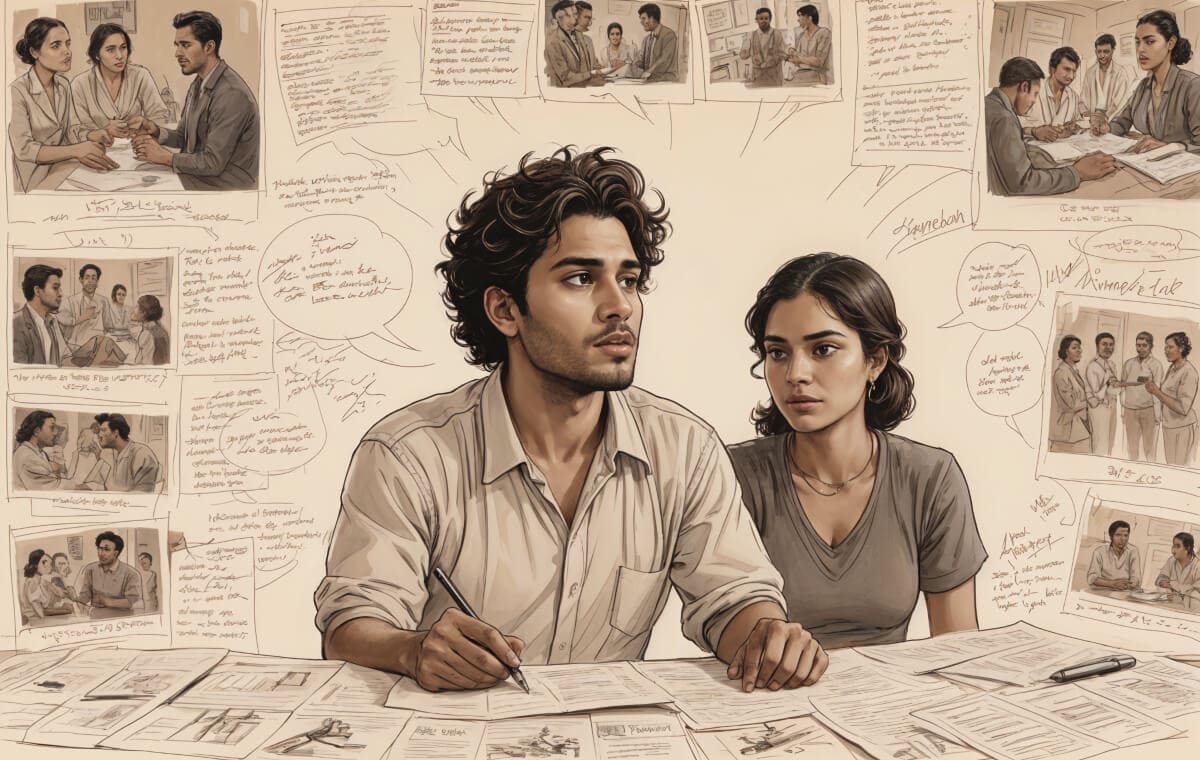
Storyboarding is a crucial part of the filmmaking process, acting as a visual blueprint for your film. Let’s dive into the key components that make up a storyboard: frames, actions, dialogues, and notes, and how to use them effectively.
Introduction to Storyboarding
What is Storyboarding?
Storyboarding is the process of visually outlining a film or video, focusing on the key components frames, actions, dialogues, and notes.. Each drawing, known as a frame, is a visual representation of a scene, capturing key moments and elements. Think of it as a comic strip, but for movies. These frames help you plan the visual and narrative flow of your project, ensuring that every detail is meticulously thought out before you start shooting.
Storyboards serve multiple purposes. They are used to visualize the story, plan out the camera angles, understand the pacing of the narrative, and communicate the director’s vision to the cast and crew. By mapping out scenes in advance, filmmakers can avoid unnecessary reshoots and ensure that the final product aligns with their creative vision.
Importance of Storyboarding in Filmmaking
Storyboarding is essential because it helps filmmakers visualize the narrative flow, plan the technical aspects of each shot, and communicate their vision to the crew. It’s a roadmap that ensures everyone is on the same page, preventing costly mistakes during production.
Imagine trying to construct a building without blueprints. You might have a general idea of what you want, but without a detailed plan, the process would be chaotic, and the final product could be far from what you envisioned. Storyboarding provides that detailed plan for filmmakers, ensuring a smooth production process and a coherent final product.
Moreover, storyboards can be a great tool for pitching your project to producers, investors, or other stakeholders. They offer a clear and compelling visualization of your idea, making it easier to convey your vision and gain support.
Understanding Frames in Storyboarding
Defining Frames
Frames are the building blocks of a storyboard. Each frame captures a specific moment in your narrative, showing how the scene will appear on screen. Think of frames as the still images that, when viewed in sequence, form the moving picture.
Each frame should be carefully crafted to include all the critical elements of the scene, such as characters, backgrounds, props, and any special effects. The goal is to create a visual snapshot that accurately represents what the audience will see when they watch the final film.
How to Create Effective Frames
Composition Techniques
Creating compelling frames involves understanding composition. Use techniques like the rule of thirds, leading lines, and framing to direct the viewer’s attention and convey the desired mood and focus. The rule of thirds, for example, involves dividing the frame into nine equal parts and placing key elements along these lines or at their intersections. This technique helps create balance and interest in the composition.
Leading lines are another powerful tool. They guide the viewer’s eye towards the focal point of the frame, creating a sense of direction and movement. Framing involves using elements within the scene, like windows or doorways, to frame the subject and draw attention to it.
Experiment with different angles, perspectives, and compositions to see what works best for each scene. The goal is to create frames that are visually interesting and that effectively convey the story.
Visual Storytelling through Frames
Each frame should tell a story. Use visual elements like lighting, perspective, and character positioning to communicate the action, emotion, and narrative progression. Every detail in a frame should contribute to the storytelling.
For example, the use of shadows and light can create a specific mood or highlight a particular element within the frame. The positioning of characters can reveal relationships and emotions, while the background can provide context and setting.
Remember, a well-crafted frame can convey a lot of information without a single word being spoken. It should set the stage for the action, hint at what’s to come, and engage the viewer’s imagination.
Capturing Actions in Storyboarding
Importance of Actions
Actions bring your story to life. They show what characters are doing, how they interact with their environment, and how the plot advances. Capturing actions accurately is vital for maintaining continuity and ensuring that the storyboard effectively communicates the intended movements.
Actions can range from simple gestures to complex sequences. Whether it’s a character picking up a cup of coffee or an intense fight scene, every action should be carefully planned and depicted in the storyboard.
Techniques to Depict Actions Accurately
Motion Lines and Arrows
Use motion lines and arrows to indicate movement within your frames. These visual cues help convey the direction and intensity of actions, making it easier for viewers to understand the dynamics of the scene.
For example, a motion line trailing behind a running character can suggest speed, while an arrow can indicate the direction of a punch or a fall. These simple additions can make a big difference in how actions are perceived and understood.
Sequential Progression
Show actions in a sequence of frames to illustrate their progression. This helps in depicting complex movements and ensuring that the storyboard flows smoothly, capturing every critical moment of the action.
For instance, a fight scene might be broken down into multiple frames, each showing a different stage of the action. By doing this, you can ensure that every punch, kick, and fall is clearly depicted, creating a coherent and engaging sequence.
Remember, the goal is to create a visual narrative that is easy to follow and that effectively communicates the intended action. Take the time to plan out each movement and use sequential frames to capture every important detail.
Incorporating Dialogues in Storyboarding
Role of Dialogues in Storyboards
Dialogues add depth to your storyboard by revealing character interactions and advancing the plot. They help in understanding the context of the scenes and the emotions conveyed by the characters.
Including dialogues in your storyboard can also help you plan out the timing and pacing of the scene. By seeing the dialogue alongside the action, you can ensure that everything flows smoothly and that the timing feels natural.
How to Represent Dialogues Visually
Speech Bubbles and Text Placement
Use speech bubbles to include dialogues in your frames. Place them strategically to ensure they do not obscure important visual elements. Clear and concise placement of text helps maintain the flow of the storyboard.
For example, place speech bubbles near the speaking character but avoid covering their face or important actions. Use different shapes or colors to differentiate between characters or to indicate tone and volume.
Synchronizing Dialogue with Action
Ensure that dialogues and actions are synchronized. The timing and delivery of dialogues should match the character movements and expressions, creating a cohesive and engaging narrative.
For instance, if a character is shouting, their facial expression and body language should reflect this. By aligning dialogues with actions, you can create a more dynamic and immersive storyboard that effectively conveys the intended emotions and interactions.
Adding Notes to Your Storyboard
Purpose of Notes
Notes are essential for providing additional context and instructions. They can include technical details, directorial insights, and any other information that helps in understanding the scene better.
Notes can be particularly useful for clarifying complex scenes, explaining special effects, or providing guidance on how to achieve a specific shot. They ensure that everyone involved in the production understands the director’s vision and can work together to bring it to life.
Effective Note-Taking for Clarity
Directorial Notes
Include directorial notes to provide insights into the intended mood, pacing, and emotional tone of the scene. These notes help guide actors, camera operators, and other crew members.
For example, you might include a note about the desired lighting for a scene, the type of music that should accompany it, or the specific emotion that the actors should convey. These details can make a big difference in the final product.
Technical Instructions
Add technical instructions for camera angles, special effects, and other production details. Clear and concise notes ensure that the technical aspects of the scene are executed accurately.
For instance, you might include notes about the type of lens to use, the positioning of the camera, or the timing of a special effect. These instructions help ensure that the scene is filmed as intended and that the final product aligns with the storyboard.
Tools and Software for Storyboarding
Traditional vs. Digital Storyboarding
Both traditional and digital storyboarding have their advantages. Traditional storyboarding involves drawing frames by hand, which can be a more intuitive and flexible process. Digital storyboarding, on the other hand, offers tools and features that can streamline the process and make it easier to edit and share your work.
Consider your preferences and the needs of your project When diving into storyboarding, understanding the key components is essential for crafting effective and visually engaging storyboards. Both methods can be effective, so it’s a matter of finding what works best for you.
Popular Storyboarding Software
Features to Look For
When choosing storyboarding software, look for features like easy-to-use drawing tools, timeline integration, collaboration options, and export capabilities. These features can make the process more efficient and help you create professional-quality storyboards.
For example, some software includes templates and libraries of pre-drawn elements, which can save you time and effort. Others offer advanced tools for creating animations, adding special effects, or integrating with other production software.
Comparison of Top Tools
Compare popular storyboarding software like Storyboard Pro, FrameForge, and Storyboarder. Each has its strengths and weaknesses, so consider factors like ease of use, available features, and cost when making your decision.
Storyboard Pro is known for its comprehensive feature set and professional-quality output, making it a popular choice for filmmakers. FrameForge offers powerful tools for planning and visualizing complex scenes, while Storyboarder is a more user-friendly and affordable option for beginners.
Best Practices for Creating a Storyboard
Planning Your Storyboard
Start with a clear plan that incorporates all key components frames, actions, dialogues, and notes. Outline your story, identify key scenes, and determine the essential key components for each frame. This planning stage is crucial for ensuring that your storyboard is coherent and includes all key components.
Consider creating a rough draft or thumbnail version of your storyboard before diving into the final version. This can help you identify any issues or areas that need improvement and make the final process smoother.
Refining and Reviewing Your Storyboard
Refine your storyboard by reviewing it with your team, focusing on the key components. GGather feedback, make necessary adjustments, and ensure that every detail aligns with your vision, emphasizing the key components. This collaborative process can help you create a more polished and effective storyboard.
Consider holding regular review sessions throughout the storyboarding process. This allows you to catch and address any issues early on and ensures that everyone is on the same page.
Case Studies of Successful Storyboards
Iconic Storyboards in Film History
Look at iconic storyboards from films like “Psycho,” “Star Wars,” and “The Lion King.” Analyzing these examples can provide valuable insights into effective storyboarding techniques and inspire your own work.
For example, the shower scene in “Psycho” is a masterclass in visual storytelling, with each frame meticulously planned to create suspense and tension. The storyboards for “Star Wars” are renowned for their detailed and imaginative depiction of action and special effects, while “The Lion King” showcases the power of storyboarding in creating emotional and visually stunning sequences.
Lessons Learned from Professional Storyboards
Learn from the best. Study professional storyboards to understand how experienced filmmakers use frames, actions, dialogues, and notes to create compelling narratives.
Consider reaching out to industry professionals or attending workshops and seminars to learn more about their techniques and approaches. There is always something new to learn, and gaining insights from experienced filmmakers can help you improve your own storyboarding skills.
Conclusion
Recap of Key Components
Understanding and mastering the key components of storyboarding frames, actions, dialogues, and notes is essential for creating a coherent and engaging visual narrative.Each of the key components plays a crucial role in bringing your story to life and ensuring that your vision is effectively communicated to your team.
Take the time to plan and refine each component, and don’t be afraid to experiment with different techniques and approaches. The more you practice and learn, the better your storyboards will become.
Final Thoughts on Effective Storyboarding
Storyboarding is both an art and a science. It requires creativity, technical skill, and a deep understanding of storytelling. By focusing on the key components and using the right tools and techniques, you can create storyboards that are not only visually compelling but also effectively communicate your vision to your team.
Remember, the goal of storyboarding is to create a clear and detailed roadmap for your film. Take the time to plan, experiment, and refine your work, and don’t be afraid to seek feedback and learn from others. With practice and dedication, you can master the art of storyboarding and bring your stories to life in a powerful and engaging way.