Creative Light: Cinematography Tips for Stunning Visuals
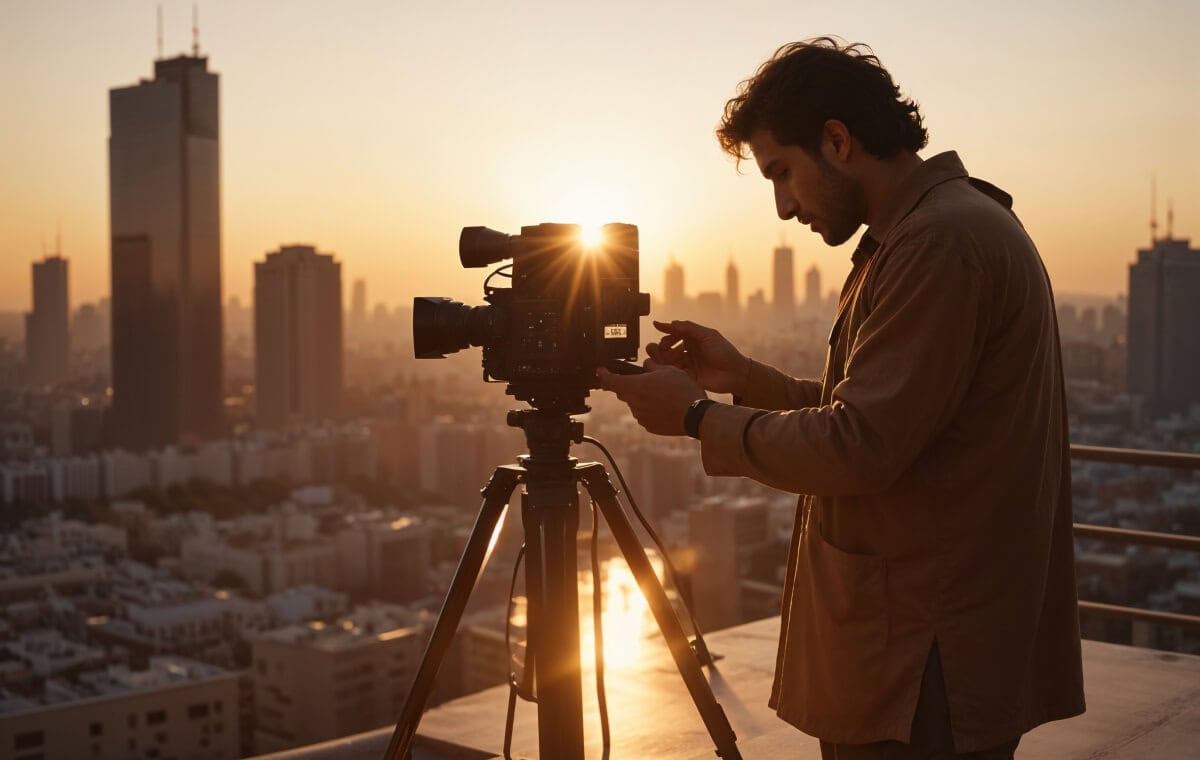
Lighting is more than just illuminating a scene; it’s an art form that shapes the narrative and evokes emotions. In this guide, we’ll explore creative uses of light in cinematography, focusing on mood setting, highlighting subjects, and creating depth.
Understanding the Basics of Lighting in Cinematography
The Role of Light in Storytelling
Lighting plays a critical role in storytelling. It not only sets the tone but also guides the audience’s focus and enhances the visual aesthetics. A well-lit scene can transform the mundane into the extraordinary, making the visuals more compelling and engaging. Light can convey time, place, and atmosphere, contributing to the narrative’s overall impact.
Key Lighting Terms and Concepts
To master creative lighting, it’s essential to understand key terms such as key light, fill light, back light, and ambient light. The key light is the primary source of illumination, setting the tone and direction of the light. The fill light balances the shadows created by the key light, while the back light separates the subject from the background, adding depth. Ambient light is the natural or existing light in a scene. Understanding these concepts is the foundation of effective lighting design.
Setting the Mood with Creative Light
Using Light to Evoke Emotions
Lighting can evoke various emotions—warm tones for comfort and intimacy, cool tones for detachment and coldness. Creative light manipulates these aspects to influence the audience’s feelings. For example, soft, warm lighting can create a cozy, inviting atmosphere, while harsh, cool lighting can evoke feelings of isolation or tension. The quality and color of light significantly impact a scene’s emotional impact.
Color Temperature and Its Impact
Color temperature affects the mood significantly. Learning to balance warm and cool lights can drastically alter the scene’s atmosphere. Warm light, typically found in the 2000K to 4000K range, gives a scene a yellowish, cozy feel, perfect for intimate or happy moments. Cool light, ranging from 5000K to 7000K, adds a bluish tint, suitable for creating a clinical or somber atmosphere.
Practical Examples of Color Temperature
Explore examples where different color temperatures are used to set specific moods, such as golden hour lighting for romantic scenes or blue light for somber moments. For instance, the warm, golden hues of the sunset can enhance the romance in a love scene, while the cold, blue light of dawn can underscore the loneliness in a scene of isolation.
Highlighting Subjects with Creative Light
Focusing Attention Through Lighting
Proper lighting techniques can direct the viewer’s attention to the main subject. Techniques like spotlighting and using contrasting shadows help in achieving this. A spotlight can highlight a character in a crowded scene, making them the focal point. Conversely, using shadows strategically can hide elements that should remain unnoticed, creating a sense of mystery or surprise.
Using Shadows to Add Drama
Shadows aren’t just the absence of light; they’re tools to add drama and mystery. Understanding how to play with light and shadow can elevate a scene’s intensity. Deep shadows can create a sense of foreboding or suspense, while soft shadows can add subtlety and depth to a scene. The interplay of light and shadow, known as chiaroscuro, is a powerful technique in creating dramatic effects.
Chiaroscuro: The Art of Light and Shadow
Chiaroscuro is a technique that uses strong contrasts between light and dark. This method highlights subjects dramatically and adds a cinematic quality to the visuals. By placing the key light at a sharp angle to the subject, deep shadows are cast, enhancing the texture and contours of the scene. This technique is often used in film noir and other genres that rely on visual intensity and mood.
Creating Depth and Dimension with Light
Layering Light for Depth
Depth in cinematography is achieved by layering light. Using multiple light sources at varying intensities and angles creates a three-dimensional effect. This technique, known as three-point lighting, involves a key light, fill light, and back light to create a balanced, dimensional look. Each light source plays a specific role in sculpting the scene and adding depth.
The Importance of Backlighting
Backlighting separates the subject from the background, adding depth and dimension. It’s a crucial element in creating a visually appealing composition. When the light source is placed behind the subject, it creates a rim of light around the edges, making the subject stand out against the background. This technique is especially effective in scenes with complex backgrounds or low light conditions.
Rim Lighting for a Professional Look
Rim lighting, a type of backlighting, outlines the subject with a glowing edge, making them stand out distinctly from the background. This technique not only adds depth but also gives the scene a polished, professional look. Rim lighting is often used in portrait photography and close-up shots to enhance the subject’s features and create a sense of separation from the background.
Techniques for Creative Lighting
Soft vs. Hard Light
Gentle shadows and is flattering for portraits created by soft light, while hard light creates sharp shadows, adding texture and detail. Soft light can be achieved using diffusers or by positioning the light source close to the subject. Hard light, on the other hand, is created by direct, undiffused light, often from a smaller light source positioned farther away.
Diffusion and Light Modifiers
Diffusers and light modifiers like softboxes and reflectors help control the harshness of light, providing a softer, more pleasing look. These tools are essential in creative lighting, allowing filmmakers to shape and control the light to achieve the desired effect. Diffusers spread the light, reducing shadows and highlights, while reflectors bounce light back onto the subject, filling in shadows and adding highlights.
Practical Use of Diffusers
Learn how to use diffusers effectively to create different lighting moods and enhance visual storytelling. For example, placing a diffuser between the light source and the subject can soften the light, creating a more natural, even illumination. This technique is particularly useful in close-up shots and portrait scenes where harsh shadows can be distracting.
Mood Setting with Natural Light
Utilizing Golden Hour
Golden hour, the period shortly after sunrise or before sunset, provides a soft, warm light perfect for creating a dreamy atmosphere. This natural light is diffused by the atmosphere, casting long shadows and creating a magical, golden hue. Filmmakers often schedule shoots during golden hour to take advantage of this beautiful light, which adds a warm, inviting glow to the scene.
Shooting in Low Light Conditions
Low light conditions present challenges but also opportunities for creative lighting. Techniques like long exposure and high ISO settings can help achieve stunning visuals. In low light, the use of practical lights, such as street lamps or candles, can add authenticity and mood to the scene. Careful manipulation of camera settings and lighting equipment can turn low light situations into visually compelling scenes.
Experimenting with Light Colors
Using Colored Gels
Colored gels can change the color of the light, allowing filmmakers to experiment with different hues to set the mood. These gels are placed over the light source, transforming the color of the light to match the desired aesthetic. For instance, a red gel can create a sense of danger or passion, while a blue gel can evoke calmness or melancholy.
RGB Lighting Techniques
RGB lighting provides endless possibilities with millions of color combinations, enabling precise control over the lighting environment. By adjusting the red, green, and blue channels, filmmakers can create any color and mood they envision. This technique is particularly useful in sci-fi and fantasy genres, where unconventional lighting can enhance the otherworldly atmosphere.
Practical Applications of Creative Light
Cinematic Examples
Analyzing scenes from popular films can provide insight into the effective use of creative lighting techniques. Films like “Blade Runner 2049” and “The Revenant” are renowned for their innovative use of light and shadow. By studying these examples, filmmakers can learn how to apply similar techniques to their own projects, enhancing the visual storytelling and emotional impact.
DIY Lighting Setups
Explore affordable DIY lighting setups that can achieve professional-looking results without breaking the bank. You can creatively use simple tools like household lamps, aluminum foil reflectors, and inexpensive LED lights to achieve stunning effects. These setups demonstrate that high-quality lighting is possible even on a tight budget, encouraging experimentation and innovation.
Common Mistakes and How to Avoid Them
Overlighting and Underlighting
Finding the right balance between too much and too little light is crucial. Avoiding extremes ensures a well-lit, visually pleasing scene. Overlighting can wash out details and create a flat look, while underlighting can obscure important elements and reduce visibility. Striking the right balance involves understanding the needs of the scene and adjusting the lighting accordingly.
Ignoring Natural Light Sources
Incorporating natural light sources can add authenticity and richness to your scenes. Learn how to blend artificial and natural light seamlessly. For example, using windows as a primary light source can create a natural, realistic look. Supplementing this with artificial lights to fill in shadows ensures a balanced, well-lit scene that feels authentic and engaging.
Advanced Lighting Techniques
High-Key and Low-Key Lighting
High-key lighting creates a bright, cheerful atmosphere, often used in comedies and musicals. It involves using multiple light sources to eliminate shadows and create an evenly lit scene. Low-key lighting, on the other hand, is used for dramatic, moody scenes. It relies on strong contrasts between light and shadow, creating a sense of mystery and tension.
Motivated Lighting
Motivated lighting mimics natural light sources, making the scene appear more realistic. Understanding where light would naturally fall helps in planning the lighting setup. For example, placing a light source near a window to simulate sunlight or using practical lights like lamps and candles can enhance the scene’s realism. This technique ensures that the lighting feels organic and believable, supporting the narrative without drawing attention to itself.
Conclusion
Creative light in cinematography is an indispensable tool for filmmakers. By mastering various lighting techniques, you can transform ordinary scenes into visually stunning masterpieces. Whether you’re setting the mood, highlighting subjects, or creating depth, lighting is the key to unlocking the full potential of your cinematic vision. Experiment with different lighting setups, study the work of master filmmakers, and don’t be afraid to innovate. The right lighting can elevate your film from good to unforgettable.